
What to Do If You Do Not Understand Lessons Despite Explanation?
Struggling to understand lessons? Discover causes of poor comprehension and practical ways to improve focus, simplify learning, and boost understanding.
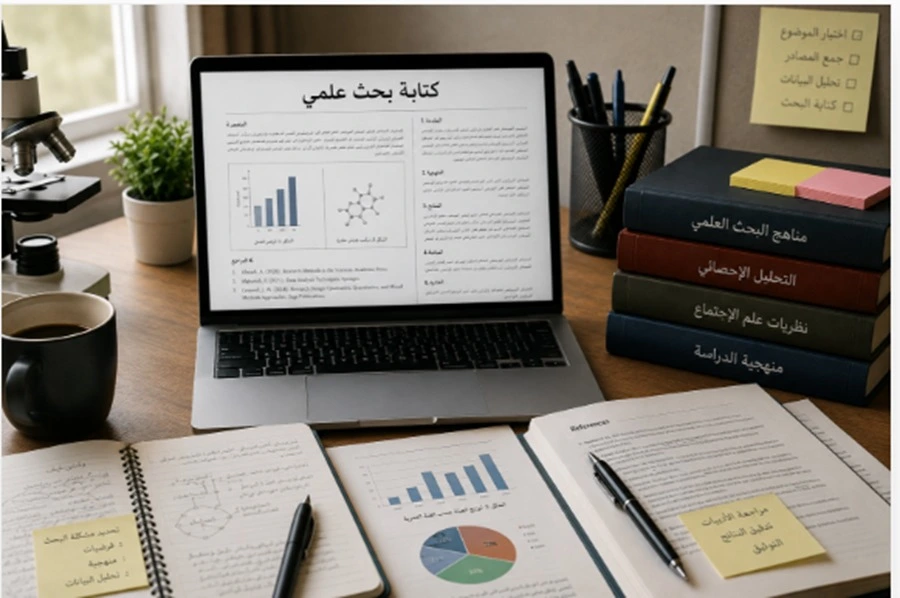
I do not understand lessons despite explanation is one of the common problems faced by many students at different educational levels. It can cause frustration, especially when students spend time attending classes and studying without reaching the required level of understanding. However, not understanding a lesson does not always mean that the student has limited learning abilities. The reason may be the explanation method, lack of concentration during the lesson, or gaps in previous academic foundations. Based on practical experience in education, improving understanding begins by identifying the cause of the problem and choosing a learning method that matches the student’s way of processing information, while relying on gradual learning, practice, and continuous follow-up to achieve better comprehension.
I Do Not Understand Lessons Despite Explanation Due to Different Learning Methods Among Students
The problem of not understanding lessons despite explanation is one of the issues that requires understanding its causes before trying to solve it, because students differ in the way they absorb and process information.
Based on practical experience, a student may listen to a complete lesson explanation but still be unable to understand the main ideas, not because the explanation is always unclear, but because the method of presenting information may not match the student’s learning style.
Some students need realistic examples to connect information with practical situations, while others need gradual explanations that start from basic concepts and move toward more complex ideas.
The speed of explaining the lesson can also be an influential factor, as some students need more time to process information and connect different concepts together.
The reason may also be related to missing previous knowledge, as the current lesson may depend on concepts that were not fully understood earlier.
Educational experiences show that explaining a lesson again using a different method is often more effective than repeating the same explanation style.
Therefore, attention should be given to discovering the method that helps the student understand instead of only increasing the number of explanations.
• Identifying the student’s suitable learning method.
• Reviewing basic concepts related to the lesson.
• Using different explanatory examples.
• Dividing difficult information into smaller parts.
• Changing the explanation method when needed.
Why Do I Not Understand the Teacher’s Explanation Despite Following the Lesson?
Some students ask why they do not understand the teacher’s explanation even though they attend lessons and try to focus, and the reason is often related to several connected factors.
Based on practical experience, students may be physically present in class but not actively involved in the learning process, which causes information to pass without being analyzed or connected to previous knowledge.
Relying only on listening without taking notes or asking questions reduces the ability to retain information.
The teacher’s method may also suit some students but require adjustment for others, as there is a difference between explanation based on memorization and explanation based on discussion and application.
Anxiety about the subject or fear of making mistakes can also affect the student’s ability to focus and understand the explanation.
Real-world experiences show that students who participate and ask questions during lessons are more capable of understanding and remembering information.
Therefore, improving understanding requires active participation from the student along with effective teaching methods.
• Participating during lessons.
• Taking important notes.
• Asking questions when something is unclear.
• Connecting new information with previous knowledge.
• Reducing fear of making mistakes.
Difficulty Concentrating During Lessons Affects Understanding and Information Absorption
Difficulty concentrating during lessons is one of the main reasons why some students feel they do not understand lessons despite receiving clear explanations.
Based on practical experience, the mind needs full attention to receive information, analyze it, and connect it with previous concepts.
When students are distracted or thinking about other things during lessons, they may hear the explanation but fail to understand the actual meaning of the information.
Factors such as using phones, poor sleep organization, or studying in a distracting environment can affect concentration levels.
Students need to prepare themselves before lessons by reviewing previous topics briefly and preparing the required materials.
Participation and writing notes also help keep the mind engaged during explanations.
Educational experiences show that improving concentration does not depend only on lesson duration, but on the quality of attention during learning.
Therefore, treating concentration weakness is an essential step before searching for other ways to improve understanding.
• Reducing sources of distraction.
• Organizing sleep and rest.
• Preparing before lessons.
• Writing important notes.
• Actively participating during explanations.
Re-Explaining Lessons in a Simple Way Helps Build Correct Understanding
Re-explaining the lesson in a simplified way is one of the effective solutions when students have difficulty understanding information after the first explanation.
Based on practical experience, failing to understand a lesson the first time does not mean that the student is unable to learn. The student may simply need a different way of presenting information.
Simplified re-explanation depends on dividing complex concepts into clear steps and connecting them with examples close to the student’s understanding.
Visual tools, charts, and practical applications can also be used to clarify ideas that are difficult to understand through theoretical explanation alone.
It is better to start explaining from the point where misunderstanding occurred rather than repeating the entire lesson using the same method.
Real-world experiences show that students respond better when explanations are customized according to their level rather than being general explanations for all students.
Therefore, choosing the right explanation method may be the main factor in solving understanding difficulties.
• Simplifying complex concepts.
• Using different explanation tools.
• Starting from the difficult point.
• Providing practical examples.
• Customizing explanations according to student level.
How to Understand Explanations Better Through Changing Study Methods
How to understand explanations better is an important question for students who experience difficulty absorbing lessons.
Based on practical experience, improving understanding depends on combining active listening, revision, and practical application.
After finishing a lesson, students need to review key points and try to explain them in their own words to confirm real understanding.
Solving exercises and questions also helps identify areas that require additional review.
Students should avoid moving to a new lesson before mastering the basic concepts of the previous one because new information often depends on previous knowledge.
Educational experiences show that students who change their study methods and focus on understanding and application achieve better results than those who rely only on memorization.
• Reviewing lessons after class.
• Explaining information using personal understanding.
• Applying knowledge through exercises.
• Focusing on basic concepts.
• Avoiding memorization without understanding..
Treating Slow Academic Understanding Starts by Identifying the Problem and Choosing the Right Learning Method
Treating slow academic understanding is a process that requires understanding the student’s learning style before applying any solutions.
Based on practical experience, students differ in their speed of understanding. Some students need more time to process information or repeat examples until the concept becomes clear.
Slow understanding does not mean a lack of learning ability. The reason may be an unsuitable explanation method, gaps in basic knowledge, or difficulty maintaining focus during study.
Therefore, the first step is identifying the areas that cause difficulty and working on them gradually.
Dividing lessons into smaller sections also helps reduce mental pressure and makes information easier to absorb.
Students should also use different learning methods such as summarizing, practical application, and repeated revision instead of depending only on reading.
Educational experiences confirm that students who receive a learning plan suitable for their abilities can improve their understanding speed over time.
Therefore, dealing with slow academic understanding requires patience and continuous support rather than putting pressure on students or comparing their performance with others.
• Identifying the reason behind slow understanding.
• Using different learning methods.
• Dividing information into stages.
• Giving students enough time to understand.
• Monitoring progress continuously.
Choosing a Suitable Explanation Method Helps Students Understand Information Easily
Choosing a suitable explanation method is one of the most important factors affecting a student’s ability to understand lessons and absorb educational content.
Based on practical experience, there is no single explanation method that works for all students because each student has a different way of receiving and processing information.
Some students learn better through examples and practical applications, while others need detailed and organized explanations of concepts before moving to exercises.
Some subjects also require problem-solving and application methods, while others require discussion and connecting ideas together.
A specialized teacher can adjust the explanation method according to student level and choose the approach that helps overcome learning difficulties.
Real-world experiences show that changing the explanation method can create a significant difference in student understanding even without changing the educational content itself.
Therefore, the problem is sometimes not the difficulty of the lesson, but the fact that the explanation method does not match student needs.
• Understanding the student’s learning style.
• Using different explanation approaches.
• Adjusting methods according to understanding level.
• Focusing on application rather than memorization only.
• Choosing a teacher who can adapt explanations.
Increasing Focus During Explanation Helps Students Understand Lessons From the First Time
Increasing focus during explanation is an essential step for improving students’ ability to absorb information and reducing the need to repeat lessons many times.
Based on practical experience, students need to train themselves to stay mentally present during lessons because listening without concentration does not lead to real understanding.
Focus can be improved by removing distractions such as phones or noise and preparing a suitable study environment.
Writing important notes during explanations also helps keep the mind engaged with information instead of passive listening.
Students should review lesson objectives before starting so they know what they need to understand and focus on.
Good sleep and organized study schedules also have a clear impact on concentration ability.
Educational experiences confirm that students who participate in lessons, ask questions, and apply information are more capable of retaining knowledge.
Therefore, improving concentration does not depend only on study duration, but on the quality of attention during learning.
• Preparing a suitable study environment.
• Reducing distractions.
• Taking notes.
• Participating during lessons.
• Organizing rest and sleep time.
Understanding the Lesson From the First Time Requires Preparation and an Effective Learning Method
Understanding the lesson from the first time is a goal many students seek, but it requires proper educational habits.
Based on practical experience, good understanding begins before the lesson starts. Quickly reviewing the lesson title and basic concepts helps students follow explanations more effectively.
Focusing on main ideas during the lesson helps create a clear picture of the topic instead of becoming distracted by small details at the beginning.
Students also need to interact with explanations by asking questions and recording points that require further review.
Connecting new information with previous knowledge helps strengthen understanding and improve memory.
Real-world experiences confirm that students who prepare before lessons and participate actively need less time for later revision.
Therefore, understanding a lesson from the first time is not only related to student ability, but also to preparation and interaction with the learning process.
• Reviewing briefly before lessons.
• Focusing on main ideas.
• Asking questions when needed.
• Connecting new and previous information.
• Active participation in learning.
Solving the Problem of Not Understanding Explanations Requires Combining Multiple Learning Methods
Solving the problem of not understanding explanations requires combining several steps instead of depending on one solution only.
Based on practical experience, students may need lesson re-explanation, a different information presentation method, or improvement of basic knowledge before they can fully understand.
Therefore, the problem should be evaluated comprehensively to identify the exact area causing difficulty.
Using different educational tools such as examples, visual explanations, and practical exercises helps clarify information more effectively.
Getting support from a specialized teacher is also an effective solution when students need explanations that match their level and learning style.
Educational experiences show that students improve faster when they receive a clear plan instead of repeating the same explanation method that did not work previously.
Therefore, solving understanding difficulties begins by identifying the reason and then choosing the appropriate solution.
• Evaluating the reason behind misunderstanding.
• Changing explanation methods.
• Using different educational tools.
• Providing practical training.
• Monitoring improvement level.
Why Are We the Best Choice for Helping Students Understand Lessons?
We provide specialized educational services that help students overcome I do not understand lessons despite explanation through experienced teachers who can simplify curricula and explain subjects in ways suitable for each student’s level.
We focus on understanding the reason behind lesson difficulty before starting explanations, ensuring that students receive a learning method that matches their needs.
We provide simplified explanations for academic subjects while focusing on understanding and application rather than memorization only.
We also help students improve concentration, strengthen academic foundations, and address weaknesses that affect understanding.
We provide continuous follow-up to measure student progress and adjust learning methods when needed.
Our goal is to make learning easier through clear explanations and educational support that helps students build confidence and achieve better results.
• Specialized teachers.
• Explanations suitable for student level.
• Simplifying difficult curricula.
• Continuous academic follow-up.
• Improving understanding and learning skills.
Conclusion
The problem of not understanding lessons despite explanation is one of the challenges that can be solved by identifying the real cause behind weak understanding and choosing the appropriate educational method.
The reason may be the explanation style, lack of concentration, or gaps in academic foundations, rather than the student’s ability to learn.
Through simplified lesson explanations, choosing suitable teaching methods, and improving focus during lessons, students can develop their understanding and learning abilities.
Continuous follow-up and support from specialized teachers also help overcome learning difficulties more effectively.
Ultimately, student success does not depend only on the number of study hours, but on the quality of the learning method and how well it matches individual needs.
Frequently Asked Questions
Why do I not understand lessons despite explanation?
The reason may be the explanation method, lack of concentration, or weak previous academic foundations.
Why do I not understand my teacher’s explanation?
You may need a different explanation method or more interaction and practical application during lessons.
How can I treat difficulty concentrating during lessons?
Concentration can be improved by reducing distractions, organizing sleep, and participating during explanations.
Does re-explaining a lesson help with understanding?
Yes, especially when the explanation is repeated using a different method suitable for student level.
How can I understand explanations better?
By focusing, taking notes, reviewing lessons, and applying information after class.
Does slow understanding mean low intelligence?
No, some students simply need more time or a different learning approach.
How do I choose a suitable explanation method?
The method should match the student’s learning style and the nature of the subject.
Can I understand a lesson from the first time?
Yes, with good preparation, focus, and active participation during the lesson.
What is the best way to solve the problem of not understanding explanations?
Start by identifying the cause, then changing the learning method and using suitable explanation approaches.
Does a specialized teacher help improve understanding?
Yes, because a specialized teacher can adjust explanations according to student level and needs.
How long does it take to improve understanding?
It depends on the cause of the problem, but regular support and follow-up help improve understanding gradually.
Need Help?
Contact us directly via WhatsApp and we will reply as soon as possible.
More Articles
University Case Study Review with Analysis and References
University case study review with problem analysis, evidence organization, theory application, references, recommendations, and final academic checking before submission.
Read Article → Thesis PreparationResearch Survey Design and Review Before Validation and Distribution
Research survey design and review before validation and distribution, including dimensions, items, response options, research objectives, pilot testing, and university requirements.
Read Article → Scientific Research WritingAPA 7 Reference Formatting for Arabic and English Sources
APA 7 reference formatting for Arabic and English academic sources, including in-text citations, reference lists, DOI links, quotations, and Saudi university requirements.
Read Article →