
Formatting Your Research Yourself or Hiring a Professional Service Which Is Better?
Format your research yourself or hire a professional? Compare time, cost, and accuracy to choose the best option for academic research formatting
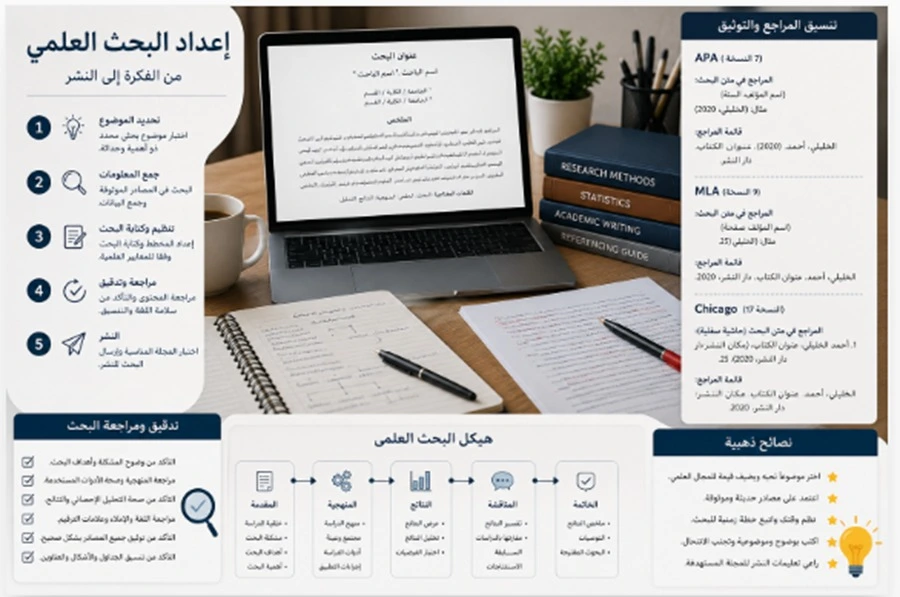
The decision between formatting your research yourself or requesting a professional service is one of the choices many students and researchers face before submitting academic papers and university projects. Some prefer to complete the formatting process independently to reduce costs and rely on their own efforts, while others choose to work with a specialist to ensure that the research meets academic standards and avoids formatting mistakes. Based on practical experience in preparing academic research, the best choice is not the same for everyone, as it depends on the research size, the researcher’s experience with formatting programs, and the available time before submission. Therefore, comparing both methods helps researchers understand the most suitable option according to their needs and circumstances.
Formatting Research Yourself Saves Cost but Requires Time and Academic Formatting Knowledge
Formatting research yourself is an option chosen by some students and researchers who have enough time and want to complete all preparation stages independently.
Based on practical experience, self-formatting may seem simple at the beginning, especially when the research is short and does not include many elements such as complex tables or multiple references.
However, as the research becomes larger, academic formatting details become more complicated, including adjusting margins, arranging headings, creating the table of contents, organizing references, and maintaining consistent page formatting.
Researchers who choose to format their work themselves need to understand university requirements or journal guidelines to avoid submitting a file that does not meet the required standards.
Using writing programs such as Microsoft Word also requires skills in handling styles, automatic indexes, page numbering, and formatting tools, especially for long academic papers.
Real experiences show that some researchers successfully format their own research when they have previous experience, while others face difficulties because the final review requires a significant amount of time.
Therefore, manual research formatting can be suitable in certain situations, but it requires preparation and is not simply a matter of arranging text.
• Having enough time before submission.
• Understanding required formatting rules.
• Being able to use writing software effectively.
• Reviewing all details before submission.
• Taking responsibility for finding and correcting errors.
Hiring a Research Formatter Saves Time and Reduces Academic Formatting Errors
Hiring a research formatter is a suitable option for researchers who want to prepare their files professionally without spending a long time on technical formatting details.
Based on practical experience, the role of a research formatter is not limited to changing fonts or arranging pages, but also includes reviewing all formatting elements and ensuring compliance with academic requirements.
The service usually includes adjusting margins, formatting headings, arranging chapters, reviewing the table of contents, organizing tables, and formatting references.
A specialized formatter also helps identify mistakes that researchers may overlook, especially when they are focused on the scientific content and analysis of their research.
The importance of this service becomes greater when dealing with master’s theses, doctoral dissertations, or research papers containing many pages and sources.
Academic experiences show that saving time is one of the most important advantages of professional formatting services because researchers can focus on improving their content instead of dealing with technical details.
Therefore, choosing a professional research formatter can be a practical decision when accuracy and speed are priorities.
• Comprehensive research formatting review.
• Applying university requirements.
• Organizing references and tables.
• Reducing the possibility of formatting mistakes.
• Saving researcher time.
Professional Research Formatting Services Prepare Files According to Required Standards
A professional research formatting service is one of the solutions used by students and researchers who need to prepare their academic papers according to proper formatting standards.
Based on practical experience, professional formatting differs from ordinary formatting because it involves reviewing the entire file rather than correcting only one specific section.
A specialized formatter views the research as a complete project that includes the title page, introduction, chapters, tables, references, and appendices.
The service also ensures consistency between all elements so that the research appears professional before supervisors or academic committees.
Professional formatting services are also helpful for cases where the research has previous university comments or requires restructuring before submission.
Experiences show that many researchers prefer specialized formatting services when the submission deadline is approaching because learning all formatting details within a short time may create additional pressure.
Therefore, professional formatting services are a suitable option for those seeking quality and time efficiency at the same time.
• Complete formatting of all research sections.
• Reviewing academic requirements.
• Preparing an organized final version.
• Reducing formatting time.
• Improving the final research appearance.
Do I Need a Research Formatter or Can I Format It Myself?
Many researchers ask do I need a research formatter when preparing the final version of their academic work, and the answer depends on several factors related to the research condition and the researcher’s experience.
If the research is short, its requirements are simple, and the researcher has good formatting skills, completing the work independently may be a suitable choice.
However, if the research is large, contains many references, multiple chapters, and detailed tables, hiring a professional formatter may be more effective.
The available time before submission should also be considered because manual formatting may require many hours or days for reviewing and checking details.
Experiences show that researchers with limited time often benefit from specialized services because they reduce pressure during the final preparation stage.
Therefore, the right decision depends on balancing available time, personal skills, and the amount of work required.
• Evaluating research size before deciding.
• Understanding formatting experience level.
• Calculating available time.
• Considering final quality importance.
• Choosing the suitable solution.
Manual Research Formatting Requires Detailed Knowledge of Academic Rules
Manual research formatting is more than simply changing page appearance; it requires understanding the rules that determine how academic research should be presented.
Based on practical experience, some researchers make mistakes when formatting their work themselves because they focus on visual appearance while ignoring academic requirements.
Problems may include inconsistent headings, incorrect table of contents, numbering errors, or references that do not follow the required style.
Long research papers also require continuous review because any content modification may affect page order and indexing.
Experiences show that self-formatting can be successful when it is planned from the beginning and supported by proper review tools.
Therefore, researchers who choose this method should dedicate enough time for learning and final checking.
• Learning academic formatting basics.
• Using software tools correctly.
• Reviewing research multiple times.
• Checking university instructions.
• Examining the final version.
Advantages of Academic Formatting Services Make Research Preparation More Accurate and Organized
The advantages of academic formatting services are among the reasons why many researchers prefer relying on specialists instead of completing all formatting tasks themselves.
Based on practical experience, academic formatting services are not limited to improving the external appearance of research, but they aim to ensure that the file complies with the standards required by universities and academic journals.
These services include reviewing chapter arrangement, formatting main and subheadings, organizing tables and figures, arranging references, and checking the table of contents.
They also help reduce errors caused by repeated modifications, especially in long research papers that contain many pages and different elements.
Academic experiences show that researchers often focus on the scientific aspect of their work and overlook some organizational details that affect the final presentation, so having a specialist review these points can be highly beneficial.
An academic formatter also has experience dealing with different requirements, making the preparation process easier and faster.
Therefore, academic formatting services are a practical option for researchers who want to submit organized work that meets the required standards.
• Reviewing the complete research before submission.
• Applying academic formatting standards.
• Organizing references and tables.
• Reducing formatting mistakes.
• Improving the final presentation quality.
Choosing a Research Formatter Depends on Experience and Accuracy in Handling Requirements
Choosing a research formatter is an important step because the final formatting quality largely depends on the experience of the person responsible for preparing the file.
Based on practical experience, it is not enough for a formatter to know how to use writing software; they should also understand academic research requirements and university standards.
It is preferable to choose a formatter who has experience with different types of academic work such as graduation projects, master’s theses, and doctoral dissertations.
The formatter should also be familiar with different citation systems, reference organization, and reviewing small details that affect the final appearance.
Experiences show that choosing an inexperienced formatter may lead to repeating the work if the required instructions are not applied correctly.
Therefore, the decision should not depend only on price, but also on experience, accuracy, and the ability to complete the required tasks properly.
• Reviewing the formatter’s previous experience.
• Ensuring knowledge of academic requirements.
• Understanding the services provided.
• Evaluating previous work quality.
• Choosing the right person for the research type.
Saving Research Formatting Time Helps Researchers Focus on Academic Content
Saving research formatting time is one of the main reasons researchers choose professional formatting services, especially when submission deadlines are approaching.
Based on practical experience, formatting a long research paper may require significant time because many details need continuous checking.
The work is not limited to arranging text, but also includes reviewing every page, adjusting headings, updating the table of contents, and ensuring consistency among all elements.
When researchers spend long hours on formatting, this may affect the time available for reviewing scientific content or preparing for academic discussions.
Experiences show that hiring a specialized formatter allows researchers to manage their time better and focus on the most important parts of their academic project.
Reducing time spent on technical details also gives researchers a better opportunity to review their work more deeply before submission.
Therefore, saving time is one of the most important benefits of requesting professional formatting support.
• Reducing time required for formatting.
• Focusing on academic content.
• Avoiding deadline pressure.
• Speeding up final preparation.
• Improving researcher time management.
An Academic Research Coordinator Helps Control Details That May Affect Research Acceptance
Having an academic research coordinator is a suitable option for researchers who need someone experienced in preparing files according to academic standards.
Based on practical experience, an academic coordinator reviews organizational aspects that researchers may overlook while focusing on writing and developing their content.
Their tasks include reviewing section arrangement, formatting headings, adjusting margins, organizing sources, and checking the final appearance of the research file.
They also help ensure that the research follows university guidelines or the requirements of the institution where it will be submitted.
The importance of an academic coordinator becomes greater in academic theses that contain many details and require a higher level of accuracy.
Experiences show that having a specialist review the research before submission reduces the possibility of formatting errors that may lead to additional comments.
Therefore, an academic coordinator is a practical solution for researchers who want to prepare their work in a professional and organized manner.
• Reviewing academic formatting.
• Applying university instructions.
• Organizing research elements.
• Checking the final version.
• Reducing errors before submission.
When Do You Need a Professional Formatting Service to Make the Right Decision?
Many researchers ask when do you need a formatting service instead of completing the task themselves, and the answer depends on research conditions and available time.
Professional formatting services are useful when the research is large, contains many references and tables, or has strict university requirements.
Researchers also need specialized formatting when the submission deadline is close and there is not enough time to review every detail carefully.
The service may also be necessary when the research has previous comments from supervisors or universities that require accurate implementation.
Short and simple research papers may be formatted independently if the researcher has enough experience and time.
Experiences show that the best decision comes from evaluating the workload and available time before choosing the appropriate method.
Therefore, understanding the right time to request formatting support helps researchers avoid stress and achieve better results.
• When submission deadlines are close.
• When formatting requirements are complex.
• When references and tables are numerous.
• When university comments exist.
• When a professional final version is needed.
Why Are We the Best Choice for Professional Research Formatting Services?
We provide a professional research formatting service through a specialized team with experience in preparing academic research papers and university theses according to different academic requirements.
We review the entire research file before starting the process to determine the required formatting level and ensure that all instructions are applied accurately.
We help researchers organize pages, format headings, arrange references, prepare tables, and review the final appearance of the research.
We focus on providing a service that combines accuracy and speed because researchers need a ready-to-submit file without wasting significant time on technical details.
We also ensure that the research is organized, consistent, and reflects the quality of the academic work completed.
Our goal is to help students and researchers present professional research papers that meet the required academic standards.
• Experience in academic formatting.
• Comprehensive research review.
• Applying university requirements.
• Saving researcher time.
• Preparing submission-ready files.
Conclusion
The choice between formatting your research yourself or hiring a professional service depends on several factors, including research size, researcher experience, and available time before submission.
Self-formatting may be suitable for simple research papers and researchers who have sufficient skills, but it requires time, concentration, and careful review.
Professional formatting services provide a practical solution for researchers who want to save time, reduce mistakes, and obtain a file that complies with academic standards.
By evaluating research needs and choosing the appropriate method, researchers can achieve better results without unnecessary pressure or delays.
Ultimately, the main purpose of formatting is not only improving the appearance of research, but also presenting organized work that reflects the quality of the academic content and is ready for evaluation.
Frequently Asked Questions
Can I format my research paper myself?
Yes, if you have enough time and knowledge of the required formatting rules.
When do I need a specialized research formatter?
You need one when the research is large, has strict academic requirements, or the submission deadline is close.
Does research formatting service include references?
Yes, it can include organizing and formatting references according to the required citation style.
Does professional formatting affect research quality?
Yes, because it helps present the research in an organized way that follows academic standards.
What is the difference between manual formatting and professional service?
Manual formatting depends on the researcher’s time and skills, while professional services provide specialized experience and review.
Does a research formatter save researcher time?
Yes, because it reduces the time needed to complete technical formatting tasks.
How do I choose the right research formatter?
Choose someone with academic experience and knowledge of university requirements.
Can research formatting be revised after receiving comments?
Yes, the research can be modified and comments can be implemented before resubmission.
Does every research paper need a formatting service?
No, it depends on research size, researcher experience, and the complexity of formatting requirements.
What is the main advantage of professional formatting services?
Saving time while ensuring that the research is organized and meets academic formatting standards.
Need Help?
Contact us directly via WhatsApp and we will reply as soon as possible.
More Articles
Research Hypothesis Testing and Choosing the Right Statistical Test
Research hypothesis testing and statistical test selection based on variable type and study design, with accurate interpretation of significance, effect size, and results.
Read Article → Data ProcessingCronbach's Alpha Reliability Testing and Result Interpretation
Cronbach’s alpha reliability testing with internal consistency analysis, item review, result interpretation, and clear limits for use in academic research.
Read Article → Statistical AnalysisSurvey Data Coding and Preparation for Statistical Analysis
Survey data coding and preparation for statistical analysis, including variable definitions, missing data, reverse-coded items, data cleaning, and organized research datasets.
Read Article →