What If Your Brand Name Doesn't Work After Translation
Learn what to do if your brand name is unsuitable after translation and discover effective strategies for rebranding and brand identity improvement.
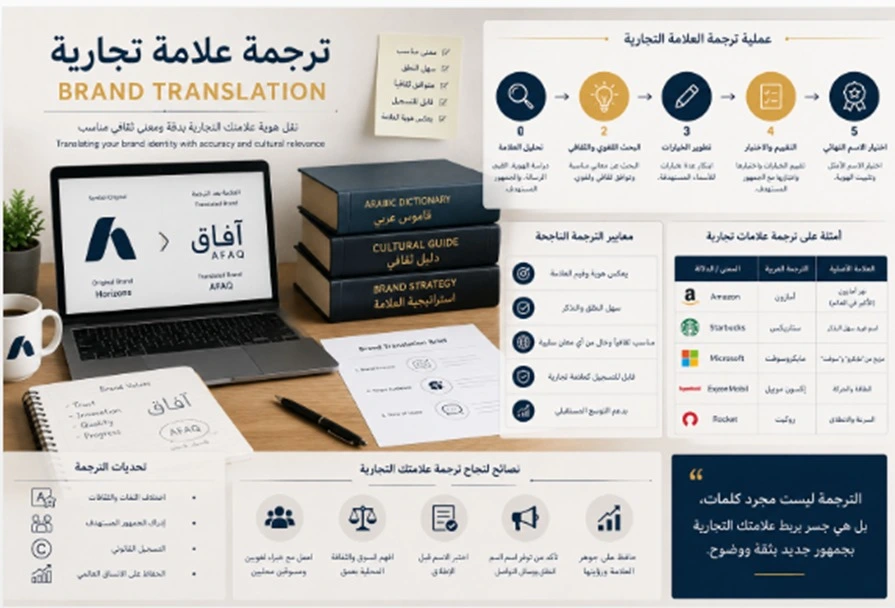
Some companies discover after launching their brands in a new market that the translated or localized name has failed to achieve the expected results. The issue may appear through weak customer engagement, difficulty remembering the name, or a lack of connection between the name and the target audience. In other situations, business owners may realize that the translated name carries unintended meanings or fails to reflect the true identity of the brand. This raises an important question: What should you do if your brand name is not suitable after translation? The reality is that such a problem does not mark the end of the journey. It can be addressed through carefully planned steps that help improve the commercial name and rebuild the brand identity in a stronger and more effective way. The key is to approach the situation strategically, using real data and market insights instead of making impulsive decisions or reacting emotionally.
Modifying the Brand Name
Modifying the brand name is often the first option companies consider when they discover that their current name is not achieving the desired objectives in the target market. Modification does not necessarily mean replacing the entire name. In many cases, it involves making strategic improvements that enhance clarity, memorability, and relevance to local audiences.
Practical experience in brand development projects shows that many names do not require complete replacement. Instead, they need adjustments related to pronunciation, wording, visual presentation, or marketing communication. Sometimes the core concept behind the name remains strong, but the way it is presented or positioned in marketing campaigns creates challenges.
Brand name modification also requires careful evaluation of how proposed changes may affect existing customers. The goal is not only to improve the name but also to preserve the value and recognition that the brand has already built. For this reason, modifications are typically tested before implementation to ensure they achieve the intended outcomes without creating confusion.
Experience demonstrates that well-planned modifications can often solve branding issues without requiring a complete renaming process or major identity transformation.
• Reviewing weaknesses in the existing name before making changes
• Testing potential improvements before implementation
• Preserving existing brand equity and recognition
• Improving clarity and usability of the name
• Reducing the risk of losing current customers
Changing the Commercial Name After Translation
In some situations, changing the commercial name after translation becomes a necessary step when the existing name fails to perform its marketing role or creates problems that negatively affect the brand image. This may happen because of translation mistakes, unintended meanings, poor audience response, or weak market performance.
This decision requires courage and strategic thinking because changing a commercial name affects every aspect of the brand identity. Successful companies do not rely solely on personal opinions when making such decisions. Instead, they examine measurable indicators such as sales performance, customer feedback, engagement rates, and market analysis.
Changing the commercial name after translation should also be part of a comprehensive transition strategy that includes communicating with customers, explaining the reasons behind the change, and introducing the new name professionally. Success depends not only on selecting a better name but also on managing the transition effectively.
When executed correctly, changing the commercial name can transform a branding problem into an opportunity for stronger positioning and renewed market growth.
• Using real business data before deciding to change the name
• Addressing problems associated with the existing name
• Developing a clear transition plan for customers
• Selecting a name that better matches market expectations
• Turning change into a growth opportunity
Rebuilding Brand Identity
When the problem extends beyond the name itself, rebuilding the brand identity may become the most appropriate solution. In many projects, the challenge is not limited to naming issues. The real weakness may exist in the marketing messages, brand positioning, visual identity, or overall customer perception.
The process begins by analyzing the current situation and identifying which elements are failing to perform effectively. A new strategic vision is then developed to align the name, visual identity, communication style, and brand values within a unified framework.
Rebuilding brand identity also provides an opportunity to redefine the relationship between the brand and its audience. Through a more consistent and professional presentation, companies can strengthen trust and improve customer engagement. Many organizations discover new strengths and competitive advantages during this process.
For this reason, businesses that invest in professional brand identity redevelopment often regain momentum and achieve stronger results than companies that continue relying on outdated branding elements that no longer support their goals.
• Analyzing the reasons behind weak brand performance
• Developing a new strategic brand vision
• Aligning messaging and visual identity
• Strengthening trust and professional perception
• Creating a stronger foundation for future growth
Improving the Commercial Name
Improving the commercial name is a smart option when the existing name still possesses positive qualities but requires refinement to become more suitable for the market and target audience. In many cases, the issue does not involve the entire name but rather specific elements related to pronunciation, clarity, memorability, or market positioning.
The improvement process usually begins by analyzing customer feedback and evaluating how well the name is remembered and associated with the business activity. Companies also examine the performance of the name in search results, advertising campaigns, and digital marketing channels to identify opportunities for improvement.
Practical experience shows that some names achieve significant performance improvements after relatively small but carefully planned modifications. These adjustments may involve refining part of the name, changing how it is written, or enhancing the marketing messages associated with it without requiring a complete transformation.
Improving the commercial name therefore represents an effective solution for organizations seeking to solve branding challenges while preserving the equity and recognition they have already built over time.
• Evaluating the performance of the existing name
• Identifying strengths and weaknesses accurately
• Improving the name while preserving its core identity
• Increasing memorability and market recognition
• Enhancing marketing effectiveness
Challenges of Brand Localization
Brand localization challenges arise when a localized name fails to perform the same role as the original name or loses part of its marketing value after adaptation. These challenges affect many local and international organizations entering new markets without sufficient planning and research.
One common challenge occurs when the localized name becomes less appealing or less clear than the original version. Other challenges emerge when unintended meanings appear or when cultural associations differ from what the company originally intended. Some brands also struggle because excessive localization weakens their international identity and reduces their global consistency.
Brand localization challenges extend into digital environments as well. A localized name that seems suitable in theory may create difficulties in search visibility, online advertising, and digital communication. These obstacles can affect customer accessibility and reduce overall marketing effectiveness.
Experience from successful localization projects demonstrates that addressing these challenges requires reviewing both the name itself and the broader brand strategy rather than focusing exclusively on language considerations.
• Identifying unintended meanings created through localization
• Evaluating the impact on the original brand identity
• Improving customer experience with the localized name
• Solving digital marketing and search challenges
• Increasing alignment with local market expectations
Choosing a New Commercial Name
When all improvement efforts prove insufficient, choosing a new commercial name may become the most effective solution. Although this decision can seem significant, it is sometimes necessary when the current name acts as a genuine obstacle to growth, market expansion, and customer engagement.
The process of choosing a new commercial name begins by understanding why the previous name failed and ensuring that the same mistakes are not repeated. This involves analyzing the nature of the business, identifying the expectations of the target audience, studying competitors, and evaluating market opportunities. The goal is not simply to find a different name but to create one that offers stronger opportunities for long-term success.
A successful commercial name is not based solely on creativity. It must combine clarity, distinctiveness, memorability, and flexibility while functioning effectively across marketing channels, advertising campaigns, websites, and social media platforms. Potential names are typically tested before launch to verify their effectiveness and compatibility with strategic objectives.
Marketing experience consistently demonstrates that a carefully researched and professionally developed name can provide a brand with a stronger starting point and significantly improve its ability to achieve sustainable growth.
• Analyzing the weaknesses of the previous name
• Developing new names based on research and strategy
• Testing name options before public launch
• Selecting a name that supports future expansion
• Building a stronger foundation for the brand
Brand Development
Brand development extends far beyond changing a name or redesigning a logo. It involves improving every element that shapes the customer's experience with the brand. When a company discovers that its translated name is no longer suitable, that moment can become an opportunity to reevaluate and strengthen the entire brand.
The development process includes reviewing marketing messages, refining visual identity, improving customer communication strategies, and ensuring that every aspect of the brand reflects its core values. The objective is to create a stronger and more appealing brand experience that resonates with the intended audience.
Experience from successful development projects shows that companies achieve better results when they use branding challenges as opportunities to redefine their market position rather than focusing exclusively on changing the name itself. A well-developed brand communicates more effectively, builds stronger trust, and creates a clearer competitive advantage.
For this reason, brand development should be viewed as a strategic investment that transforms challenges into opportunities while increasing competitiveness and long-term market relevance.
• Reviewing all elements of the brand experience
• Enhancing marketing messages and communication
• Improving visual and strategic identity
• Increasing the value delivered to customers
• Strengthening competitive positioning
Brand Renaming
Brand renaming is one of the most significant decisions a company can make, but it may become essential when the current name can no longer support future objectives. The process must be managed carefully to preserve the trust and recognition that the organization has built over time.
Brand renaming begins with a comprehensive review of the existing identity and an evaluation of the factors that created the need for change. New naming options are then developed, tested, and refined before a final decision is made. This process often involves customer research, market analysis, and strategic validation.
Successful brand renaming also requires effective communication with customers, partners, and stakeholders. The new name must be introduced in a way that highlights continuity while explaining the benefits of the change. The success of renaming depends not only on the quality of the new name but also on how the transition is managed.
When executed professionally, brand renaming provides an opportunity to reposition the organization, modernize its image, and create stronger alignment with market expectations.
• Creating a clear renaming strategy
• Preserving customer trust throughout the transition
• Testing new naming options before implementation
• Managing communication professionally
• Supporting future growth and expansion
Correcting Commercial Translation Mistakes
Correcting commercial translation mistakes begins with acknowledging that a problem exists and identifying its root causes rather than relying on superficial solutions. The issue may originate from the name itself, from how it is presented, or from the marketing messages associated with it.
The correction process requires collecting customer feedback, analyzing market reactions, and evaluating how the translated name influences business performance. Companies also compare their position with competitors to identify weaknesses and opportunities for improvement.
This analytical approach enables organizations to make informed decisions regarding name modification, identity redevelopment, or complete renaming when necessary. The ultimate objective is to ensure that every component of the brand works together to support commercial success.
Correcting commercial translation mistakes should therefore be viewed as a strategic process focused on long-term improvement rather than a simple short-term adjustment.
• Identifying the real causes of translation problems
• Gathering and analyzing customer feedback
• Measuring the impact on commercial performance
• Selecting solutions based on evidence and data
• Reducing the risk of repeating mistakes
Improving Marketing Identity
Improving marketing identity represents the final stage of restoring brand strength after addressing translation or naming challenges. Marketing identity is the overall image customers form about a company and includes its name, messages, communication style, values, and market positioning.
The improvement process begins by reviewing every customer touchpoint and ensuring that all messages remain consistent, clear, and aligned with the brand’s strategic objectives. Organizations also focus on creating stronger customer experiences that reinforce trust and encourage engagement.
When marketing identity is improved effectively, customers find it easier to understand, remember, and connect with the brand. This stronger relationship contributes directly to growth, customer loyalty, and increased sales performance.
For this reason, improving marketing identity should not be treated as a cosmetic exercise. It is a strategic initiative that strengthens long-term brand performance and supports sustainable success.
• Aligning messages across all communication channels
• Strengthening clarity and consistency
• Building a stronger image in customers' minds
• Enhancing the overall brand experience
• Supporting sustainable growth and loyalty
Conclusion
Discovering that a brand name is unsuitable after translation does not mean that the business has failed or that starting over is the only option. Companies have several strategic alternatives available, ranging from improving the existing commercial name and making targeted adjustments to rebuilding brand identity, developing the brand, or implementing a complete renaming strategy when necessary. The most important factor is making decisions based on market analysis, customer insights, and measurable results rather than personal assumptions. When handled professionally, what initially appears to be a branding problem can become an opportunity to strengthen the brand and create a more successful future.
Frequently Asked Questions
How can I tell if my brand name is unsuitable after translation?
Signs often include weak customer engagement, difficulty remembering the name, poor audience connection, reduced marketing performance, or declining sales results.
Do I always need to change the entire commercial name if translation problems appear?
Not necessarily. Many issues can be resolved through name improvements, refinements, or adjustments in positioning without requiring a complete name change.
When is brand renaming necessary?
Brand renaming becomes necessary when the existing name consistently limits growth, creates ongoing market challenges, or no longer supports the organization's strategic objectives.
What is the difference between improving a commercial name and rebuilding brand identity?
Improving a commercial name focuses specifically on the name itself, while rebuilding brand identity includes messaging, visual elements, positioning, values, and customer perception.
How can I choose a more successful commercial name?
A successful name is selected through market research, audience analysis, competitor evaluation, strategic testing, and validation before official adoption.
Do commercial translation mistakes affect sales?
Yes. Brand names and identities directly influence customer trust, first impressions, engagement levels, and purchasing decisions.
Why is improving marketing identity important after solving naming problems?
Because a strong marketing identity helps rebuild trust, improve customer engagement, strengthen brand recognition, and support long-term business growth.
Need Help?
Contact us directly via WhatsApp and we will reply as soon as possible.
More Articles
University Case Study Review with Analysis and References
University case study review with problem analysis, evidence organization, theory application, references, recommendations, and final academic checking before submission.
Read Article → Thesis PreparationResearch Survey Design and Review Before Validation and Distribution
Research survey design and review before validation and distribution, including dimensions, items, response options, research objectives, pilot testing, and university requirements.
Read Article → Scientific Research WritingAPA 7 Reference Formatting for Arabic and English Sources
APA 7 reference formatting for Arabic and English academic sources, including in-text citations, reference lists, DOI links, quotations, and Saudi university requirements.
Read Article →